*Image courtesy of Dan Sigouin
As photographers, we make numerous decisions when preparing ourselves to capture images of various types of subjects. Emotional components, mood and imagination when captured well results in an impactful image.
These choices include which lenses and focal lengths we select for subjects such as wildlife and nature. With these subjects telephoto lenses are often essential to extend the reach of our view and to capture images of animals that may be located in dense forests or elevated perches. Likewise, wide angle and medium length lenses can create stunning views of landscapes, cityscapes, architecture, portraiture and keep realistic perspectives with or without distortion. Specialty lenses such as macro lenses can provide a different perspective as they can create detailed views accentuating detail of subjects much closer than normal vision allows. The choices are limitless and may depend only on the available room within your camera bag.
The image capture process can be exhilarating as the photographer works with the scene, making critical choices to create an impactful image. The captured image is truly just the starting point as that image should undergo a full edit process to maximize the potential of the image and to showcase the story and intentions of the photographer.
The crop tool is a very powerful tool to help start an image edit. There are many reasons to crop images and three important reasons are to:
- Remove distracting elements around the edges of an image.
- Adjust the placement of a subject within the image frame.
- Change the aspect ratio of the image.
The framing or cropping of the image will determine the significant elements that form the story the photographer wants to tell. The elements within the frame should support the story as best as possible and at this point, attention should be directed to removing all possible distractions. There will be distracting elements such as branches, tips of leaves, logs, road signs, and even people within the frame that can often be removed. The intention is that all the elements in the frame should support and complement the main subject as best as possible.
The practice of cropping an image can work to improve the balance, composition and structure of the image. Using compositional recommendations and principles, photographers can play with the available space to position subjects in visually stronger areas to create a focal point that emphasizes features, actions, moods and story.
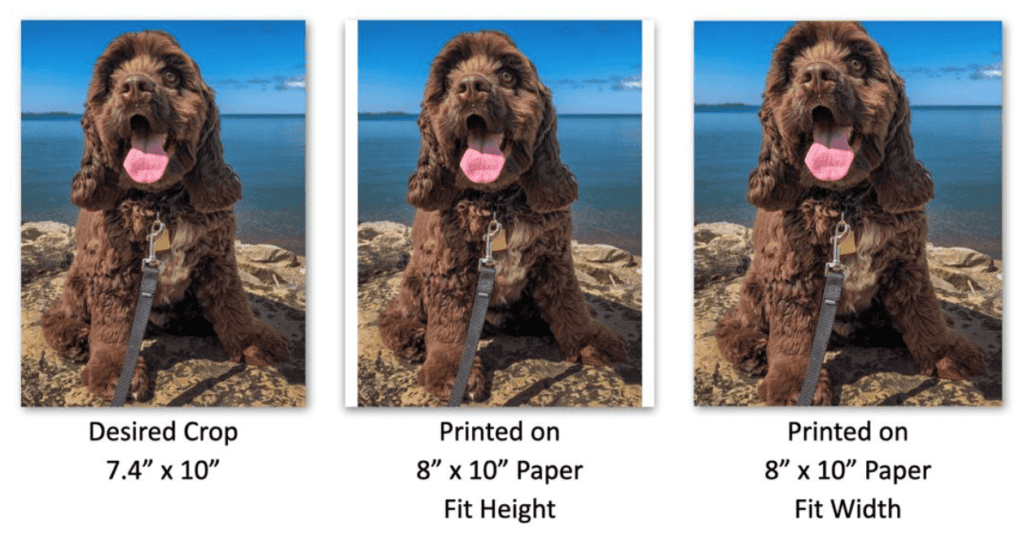
When selecting an aspect ratio for an image, photographers must consider the many possible intended uses of the image. Images that are submitted online will need to conform to the image standards built into the website or platform. Images will be distorted and stretched in ways not intended and will not display correctly. When printing, images need to follow the common ratios for specific print sizes. Following the print sizes will ensure that important elements are not cut off in the print. Lastly, ratios are also important for presentations using projectors and LCD screens. Familiarity with the projection methods will ensure that critical elements are not cut off or distorted to fit the screens.
In the examples below, you will see frames added to sides as well as important areas removed because of the aspect ratio not working well with the subject in the frame of the image. The modifications would impact the story and negatively impact the presentation.
*Images courtesy of Bill Hall
Here is a series of images using different types of crops to remove distractions and place subjects in dynamic positions.
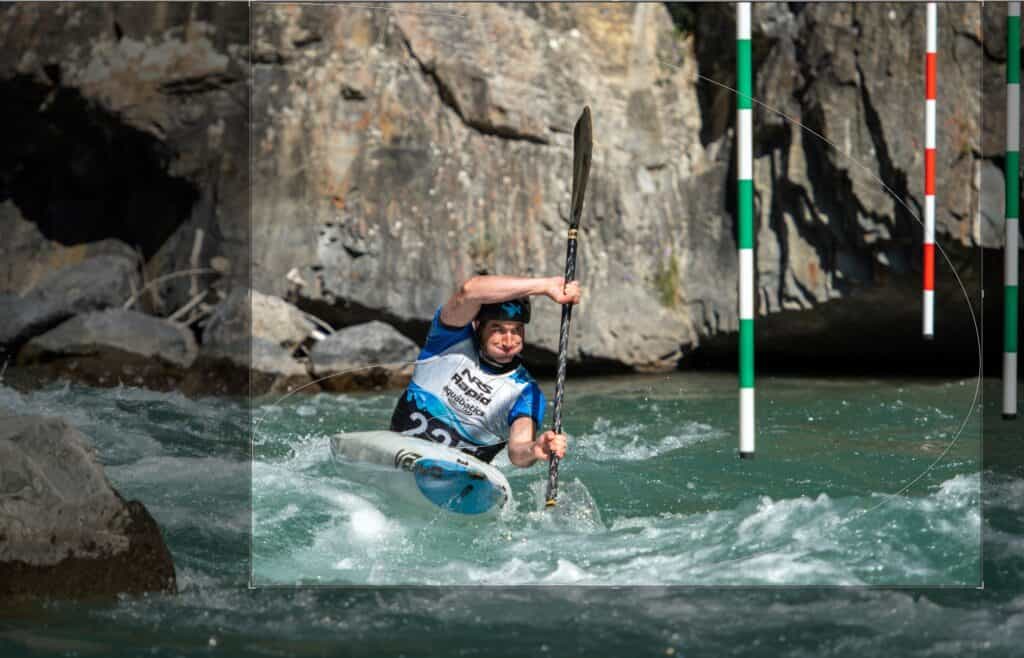
- Cropping the image helps remove distractions from the background and bring attention to the athlete. The context of the story is still maintained within the frame of the image
*Image courtesy of Dan Sigouin

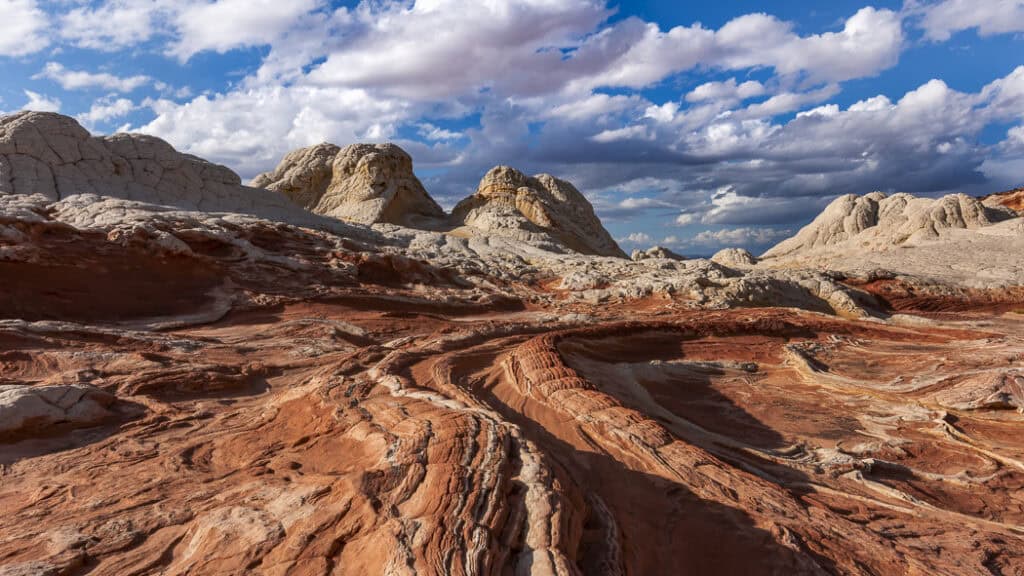
- The detail and texture of the landscape is emphasized by using the frame to identify interesting patterns and direct the reader to the larger peaks of the formations.
*Image courtesy of Dan Sigouin
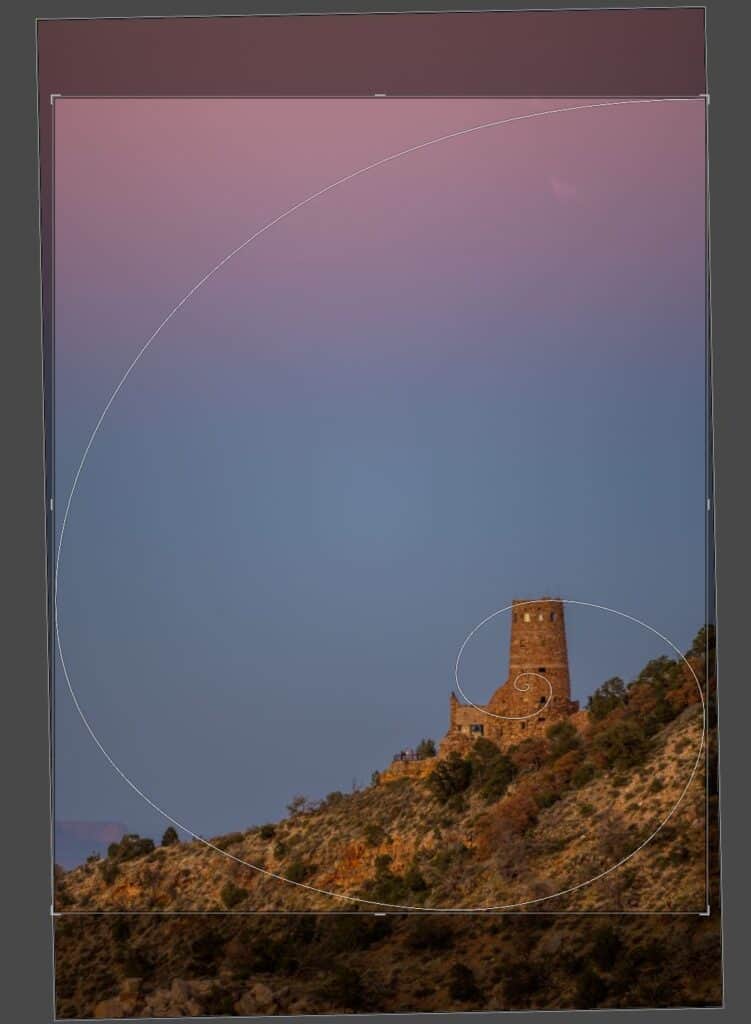
- The Desert View Watchtower was framed to create a minimalist type image with nice sunset colours. The cropping refines the image to fit a desired aspect ratio and place the subject in an interesting location of the frame.
*Image courtesy of Dan Sigouin

- The image was reviewed and cropped to emphasize the active dog, remove distractions and create an interesting composition. Placing the running dog in the left third of the composition also allows him to have space to run “into” the picture/scene and gives a sense of dynamic movement. Placing the dog at the right third would make the photo appear to have been taken “too late” and that the dog is already running out of the picture. Reviewing the edges of the frame, most of the leaves and clutter on the ground are excluded.
*Image courtesy of Dan Sigouin
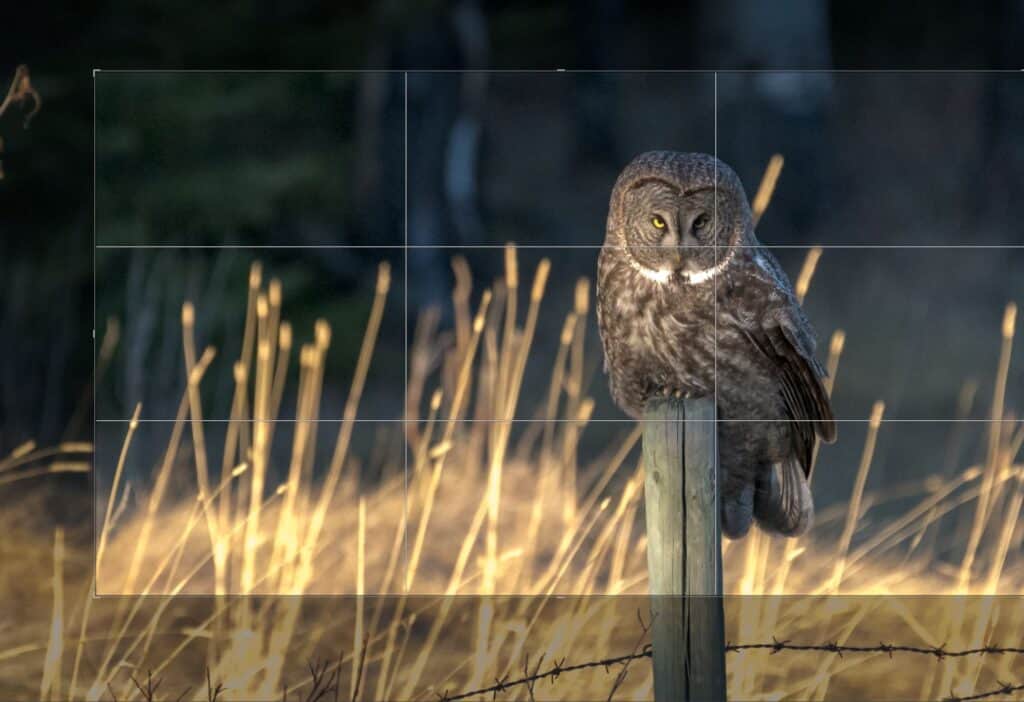
- The image was captured with lots of space around the owl to manipulate the framing. Experimenting with a 16:9 framing, the owl is well positioned and distractions of the barbed wire are eliminated.
*Image courtesy of Dan Sigouin
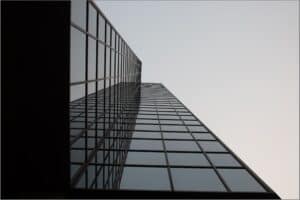
The last example is an architectural image that has been edited with multiple stages in the cropping process.
- The large amount of black space on the left-hand side of the frame that does not contribute has been removed.
- The image is leaning to the right and then straightened to emphasize the strong leading lines of the building.
- The building is then further refined to correct horizontal and vertical lines and refine the composition.